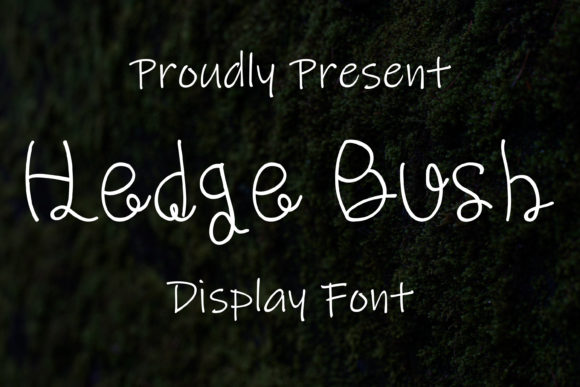
Hedge Bush: A Script Font for Modern Editorial Design
In the world of digital publishing and editorial layout, typography is not merely a vessel for words; it is the voice of the publication. As creators of blogs, magazines, ebooks, and newsletters, we constantly search for typefaces that balance personality with professionalism. Enter Hedge Bush, a fun script font that brings a distinct, organic energy to page layouts without sacrificing the structural integrity required for serious content. For publishers and designers looking to elevate their visual identity, this typeface offers a compelling blend of handwritten charm and modern versatility.
At its core, Hedge Bush is designed to capture attention. Unlike rigid geometric sans serifs or traditional serif fonts often reserved for body copy, this script font introduces a human touch to digital and print interfaces. Its strokes mimic the natural flow of a pen, creating a sense of immediacy and intimacy that resonates deeply with readers. When used strategically, it transforms a standard article header into an inviting invitation, encouraging the audience to dive deeper into the content. This makes it an exceptional choice for lifestyle blogs, coaching workbooks, and independent magazines where brand voice is paramount.
Elevating Visual Hierarchy in Publications
One of the greatest challenges in editorial design is establishing a clear visual hierarchy. Readers scan pages before they read them, relying on size, weight, and style to navigate the information architecture. Hedge Bush excels as a display font, perfectly suited for titles, subtitles, and section headings. By pairing this creative font with a clean, readable serif font for body copy, you create a dynamic contrast that guides the eye naturally down the page.
Consider the layout of a digital magazine or a long-form blog post. The main headline, set in Hedge Bush, acts as the anchor, setting the mood—whether playful, elegant, or rustic. Subheadings can utilize the same typeface at a reduced size to maintain consistency while breaking up text blocks. This approach prevents the "wall of text" effect that often plagues ebooks and PDF guides. Furthermore, using this script font for pull quotes adds a layer of sophistication, highlighting key insights and giving the reader a visual resting point amidst dense information.
Practical Applications for Content Creators
The versatility of Hedge Bush extends far beyond simple headlines. For course creators and coaches developing printable guides or worksheets, this font can be used to label sections, add encouraging notes in margins, or design cover pages that feel personal and approachable. In the realm of wedding guides or recipe ebooks, the handwritten aesthetic of Hedge Bush aligns perfectly with the subject matter, evoking feelings of tradition, care, and craftsmanship.
- Newsletter Graphics: Use Hedge Bush for email headers to increase open rates by standing out in crowded inboxes.
- Social Media Assets: Create quote cards and promotional banners that maintain brand consistency across platforms.
- Packaging Design: If your publication includes physical merchandise or boxed sets, this font works beautifully on labels and boxes.
- Logo Design: For independent content brands, Hedge Bush can serve as the foundation for a memorable logo that reflects a unique personality.
When designing for mobile layouts, readability remains a critical concern. While script fonts are generally not recommended for long-form body text on small screens, Hedge Bush performs exceptionally well in short bursts. It is ideal for captions, navigation elements, and call-to-action buttons within an app or responsive website. However, designers should ensure sufficient line height and contrast when rendering this typeface on lower-resolution screens to preserve the legibility of its connecting strokes.
Font Pairing and Stylistic Harmony
To maximize the potential of Hedge Bush, understanding font pairing is essential. A successful editorial layout often relies on the tension between different type classifications. Since Hedge Bush is a script font with organic curves, it pairs beautifully with neutral sans serif fonts like Helvetica, Futura, or Lato for captions and UI elements. This combination creates a modern, clean look where the script provides the flair and the sans serif provides the structure.
Alternatively, for a more classic or literary feel, pair Hedge Bush with a high-contrast serif font such as Playfair Display or Merriweather for the body text. This duo is particularly effective in fashion magazines, travel journals, and gourmet food publications. The serif font lends authority and readability to the articles, while the script font adds a layer of editorial flair to the covers and chapter openers. Always test your combinations in actual layout scenarios to ensure the x-heights and stroke weights complement rather than compete with each other.
Technical Considerations and Licensing
Before integrating Hedge Bush into your next project, it is vital to review the technical specifications and licensing terms. High-quality premium fonts often include a range of stylistic alternates, ligatures, and multilingual support, allowing for greater customization in your designs. Check if the font file includes these features to enhance the uniqueness of your logos and headlines. Additionally, verify the commercial license details. Whether you are producing paid newsletters, selling digital downloads, or creating templates for clients, ensuring you have the appropriate commercial font license protects your business and respects the creator's intellectual property.
In conclusion, Hedge Bush represents more than just a decorative element; it is a strategic tool for enhancing reader engagement and defining brand identity. By thoughtfully applying this typeface in your editorial designs, from ebook covers to web headers, you create a cohesive visual experience that invites readers to stay, explore, and connect. As the landscape of digital publishing continues to evolve, choosing the right typeface remains one of the most impactful decisions a designer can make.